Why the physical environment matters for attention and self-regulation
Children with ADHD are not lazy or unmotivated. Their neurobiology means they process their environment differently, and executive function, impulse control and attention regulation demand more conscious effort. A busy, cluttered or unpredictable classroom adds invisible cognitive load, making it harder for these pupils to settle and concentrate.
A carefully designed space, on the other hand, can reduce that load. When the layout is clear, visual noise is managed, and movement is welcomed rather than seen as disruption, pupils with ADHD have the mental space to engage with learning. They feel calmer, more in control, and better able to regulate themselves throughout the day.
When the classroom is designed with ADHD in mind, you are not lowering standards. You are removing barriers and helping every pupil show what they can do.
Build in movement and flexible seating
Sitting still all day is not realistic or healthy for children with ADHD. Their bodies are designed to move. Instead of battling this, the smartest classrooms build movement into the day and offer seating that accommodates restlessness.
Wobble stools, perch chairs, and standing desk options let pupils fidget, shift weight and adjust their position without leaving the learning activity. Some children focus better standing. Others need to rock gently or bounce a little. A mix of seating heights and styles means no two pupils are squeezed into the same mould.
Flexibility is also key. Furniture that can be quickly reconfigured means you can create a tight focus area for independent work, then open up the space for group activity or movement breaks. Lightweight chairs and modular tables make this quick and easy.
Furniture that helps
Wobble stools, perch chairs, adjustable-height desks and lightweight, flexible seating systems give pupils with ADHD the movement and choice they need to regulate and focus. Explore how to set up your own classroom with classroom design solutions
Reduce visual clutter
A classroom wall plastered with posters, displays, bright colours and visual noise is exhausting for any child. For a child with ADHD, that sensory overload makes it harder to filter, focus and learn. Every object catches their attention.
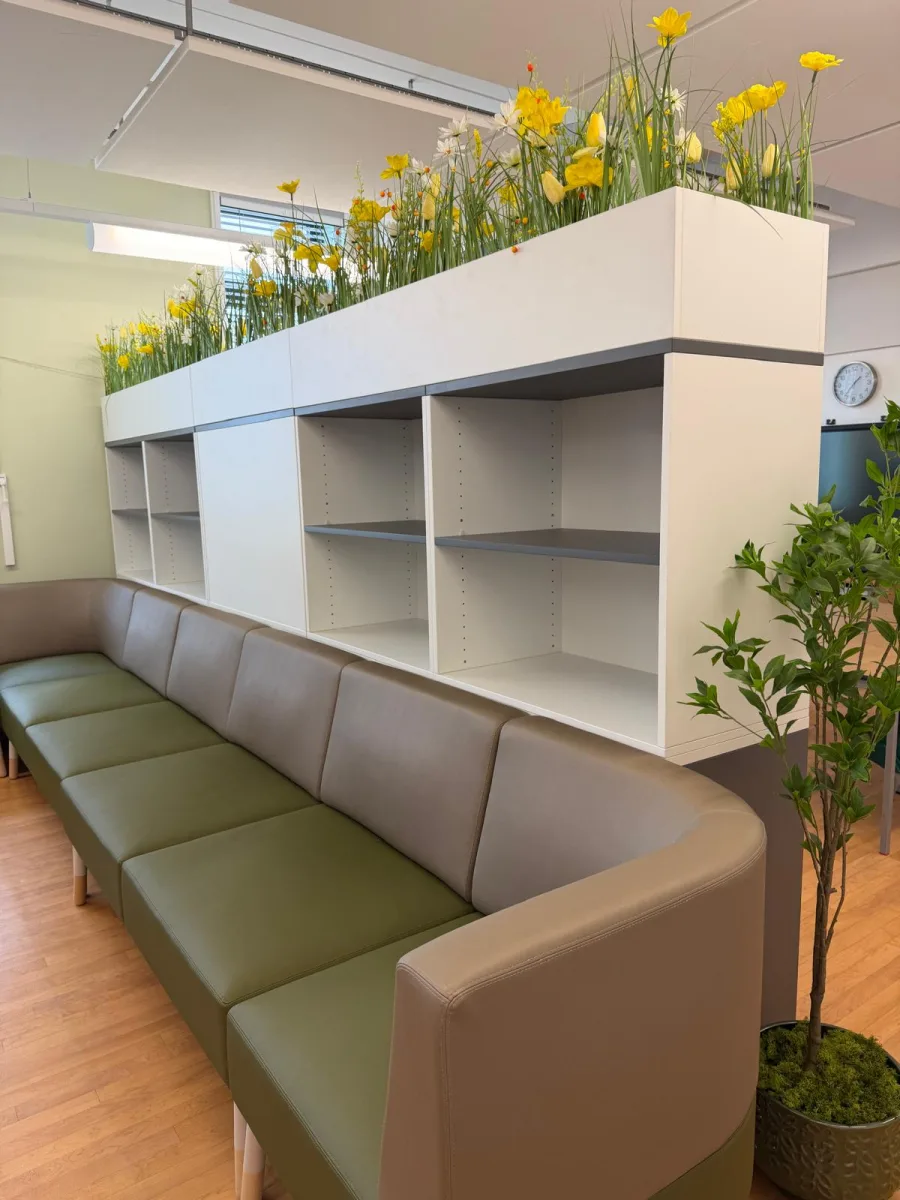
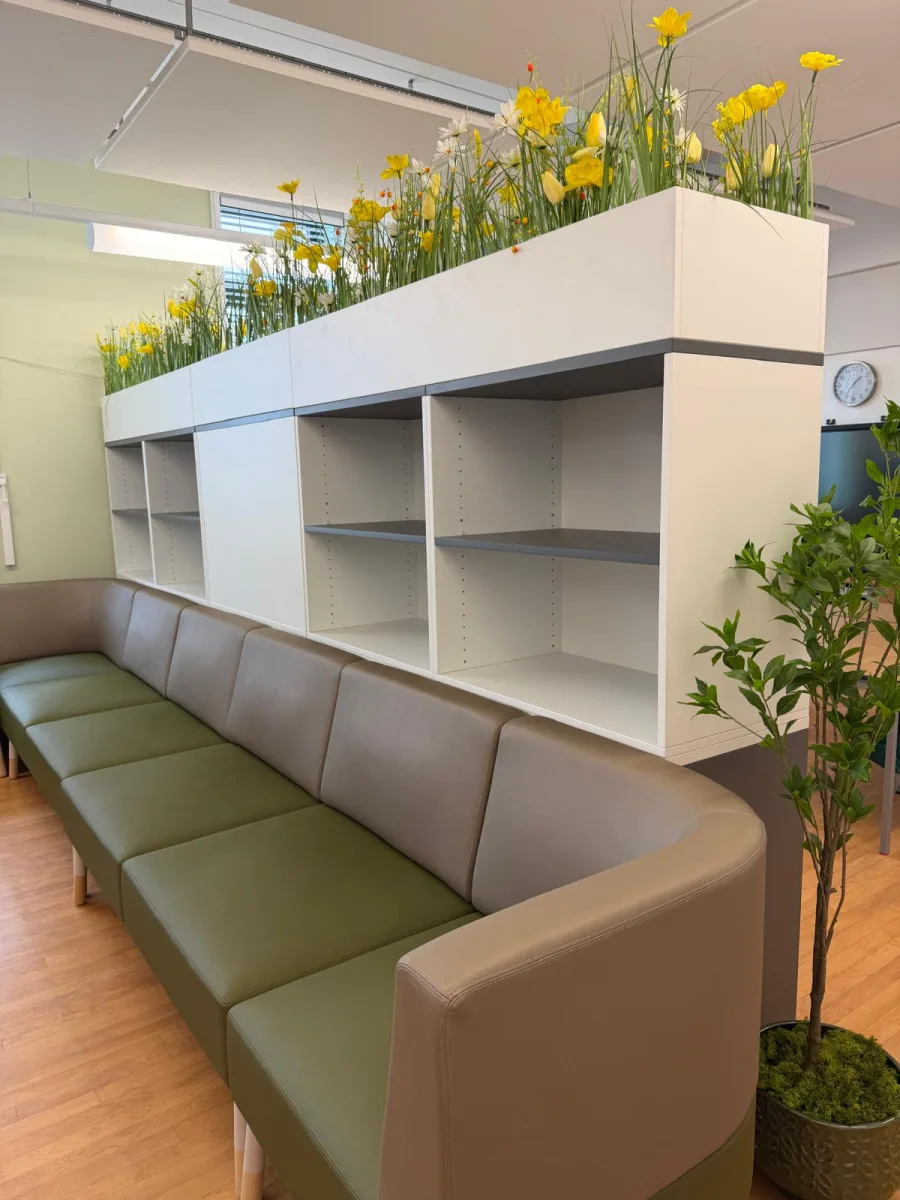
Calm the visual landscape by being intentional about what is displayed. Use a muted or neutral base palette for walls and furniture. Group displays thematically rather than dotting them everywhere. Use smart storage so materials are hidden until needed, not on constant display. Label shelves and zones clearly so pupils know what goes where and the space feels organised, not chaotic.
This is not about having a bare, unwelcoming room. It is about creating clarity and letting the important stuff (the people, the learning, the materials you are using right now) stand out instead of competing for attention.
Quick tip
Take a photo of your classroom from a pupil's eye level (seated at a desk). Look at everything in view. If it feels visually noisy or overwhelming to you, it is probably overwhelming to your pupils. Start by moving or removing the three items that grab attention most.
Create clear zones for different purposes
A multipurpose room with no clear visual boundaries is confusing and tiring. Pupils with ADHD benefit enormously from knowing what happens where. Is this the focus zone? The movement zone? The calm corner?
Define zones using furniture layout, low screens, or a change in flooring (a rug marks the calm corner; the open space is for movement). Each zone should have one clear purpose, and pupils should understand what behaviour goes with it. A focus zone might have minimal distractions and individual desks. A movement area is open with space to stand and stretch. A calm corner is soft, low-arousal and quiet.
This clarity reduces decision fatigue and behaviour issues. Pupils know where to go and what to do. They feel safer and more in control.
Furniture that helps
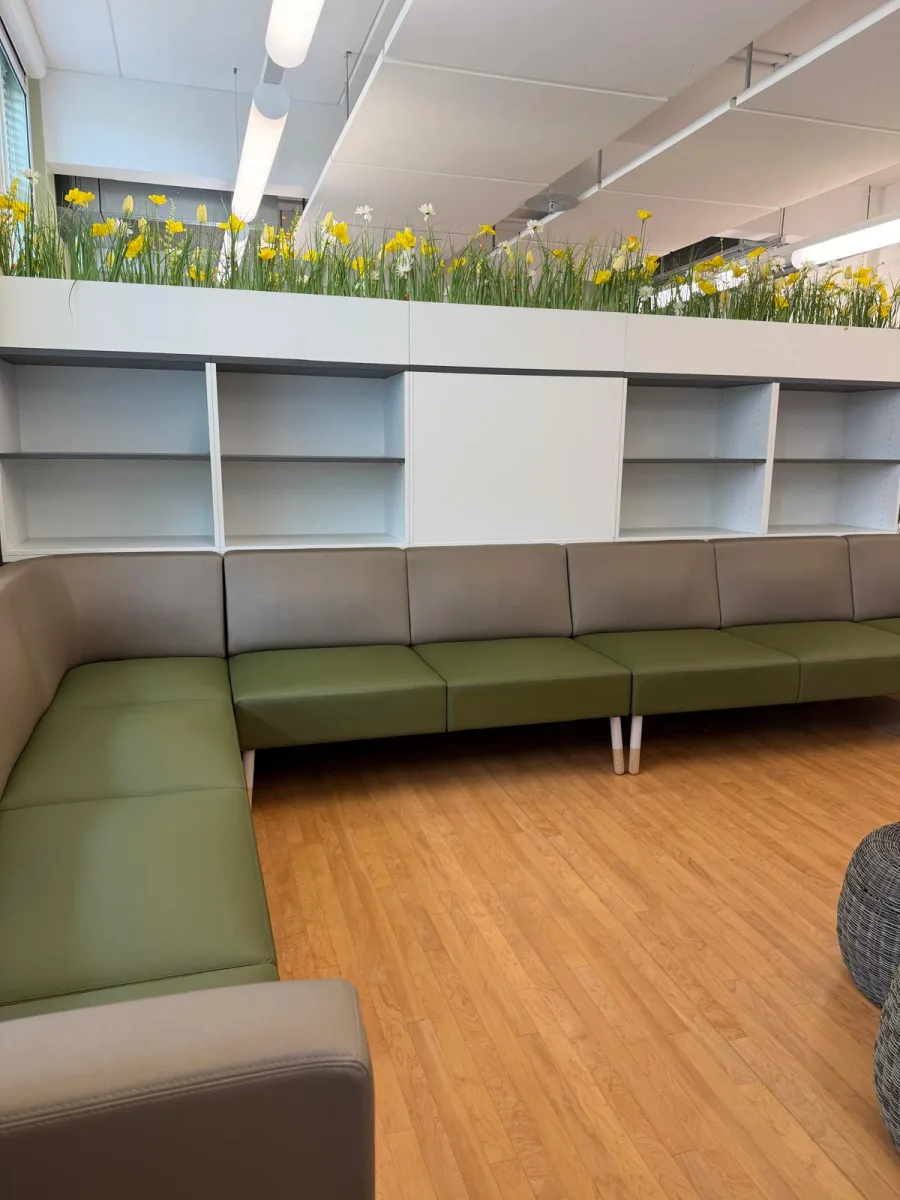
Modular furniture, low dividers, rugs and storage units create visual and physical boundaries between zones without making the space feel cramped. Nurture hub and dedicated calm spaces help create the sanctuaries many ADHD pupils need.
Manage sound and acoustic calm
Many children with ADHD have auditory sensitivities. Echoey classrooms, background noise, and sudden loud sounds are exhausting and distracting. They battle constant auditory input instead of listening to the lesson.
Soft furnishings, rugs, curtains and acoustic panels absorb sound and reduce echo. Close doors during independent work. Use a low, calm voice yourself. Limit the number of things happening at once (playing music while pupils work, or multiple groups talking simultaneously, for instance).
If pupils are sound-sensitive, offer headphones or noise-reducing ear defenders so they can control their auditory environment. This small tool can improve focus and comfort.
Furniture that helps
Upholstered furniture, acoustic panels, soft rugs and low-distraction flooring reduce sound reflection and create a quieter learning environment. Explore acoustic solutions for your classroom
Build in predictability and personal space
Pupils with ADHD often have weaker working memory and struggle with transitions or unexpected change. A predictable routine and layout help them anticipate what is coming and feel in control.
Use visual timetables so pupils always know what is next. Keep furniture in the same place day to day. Label zones and materials clearly. When things change, warn pupils in advance.
Personal space also matters. Some pupils with ADHD are sensitive to others being close. A defined workspace, a carrel, or a quiet zone where they can work alone for part of the day can help them regulate and focus without feeling crowded.
Quick wins on a budget
- Move three pieces of wall display or poster to clear visual space. Instantly calmer.
- Invest in one wobble stool or perch chair. Often under 50 pounds. Watch the focus change.
- Add a single shelving unit or low storage to hide materials and create a zone boundary.
- Put a rug down in one corner to define a calm space and absorb sound.
- Use clipboards or individual whiteboards instead of whole-class displays to reduce visual noise.
- Label everything with text and symbols so the space feels organised and pupils know what goes where.
The bigger picture
None of these changes require a big budget or a complete rebuild. They start with noticing. What in your room is working against pupils with ADHD? Too much to see? Too much to hear? Nowhere to move? Too many surprises?
Then remove or adjust one thing at a time. A calmer, clearer, more flexible classroom helps every learner, not only those with ADHD. And when you get it right, you will see the difference in focus, engagement and behaviour almost immediately.
- Movement is not disruption. Flexible seating and wobble options help pupils with ADHD regulate and focus better.
- Visual clutter is cognitive load. Reduce it by curating displays, using smart storage and keeping walls calm and clear.
- Clear zones (focus, movement, calm) help pupils understand what happens where and reduce behaviour issues.
- Sound matters. Soft furnishings, rugs and acoustic awareness reduce exhausting auditory overload.
- Predictability and personal space help pupils with ADHD feel in control and regulate themselves throughout the day.