Start with predictability and routine
Around one in five pupils in UK schools has special educational needs, and a significant proportion of these are autistic. Autistic pupils experience the world differently. Unpredictability, unexpected change and sensory overwhelm are sources of profound stress that can derail learning and wellbeing.
The most powerful design principle for autism-friendly classrooms is consistency and routine. This starts with the layout. Where does the teacher sit? Where is the focus work done? Where do pupils line up for transition? If these things are always the same, pupils can relax a little. They know what is coming and can prepare themselves mentally.
Use the same furniture in the same places day to day. If you move things around, warn pupils in advance with photos or a visual timetable. Make transitions predictable too. Visual schedules showing what happens when help every autistic pupil feel less anxious and more ready to engage.
Low-arousal by design: colour, pattern and visual calm
Autistic pupils often have heightened sensory processing. Bright primary colours, busy patterns, high contrast, and cluttered visual environments are exhausting and overstimulating. They drain attention and emotional regulation before learning even begins.
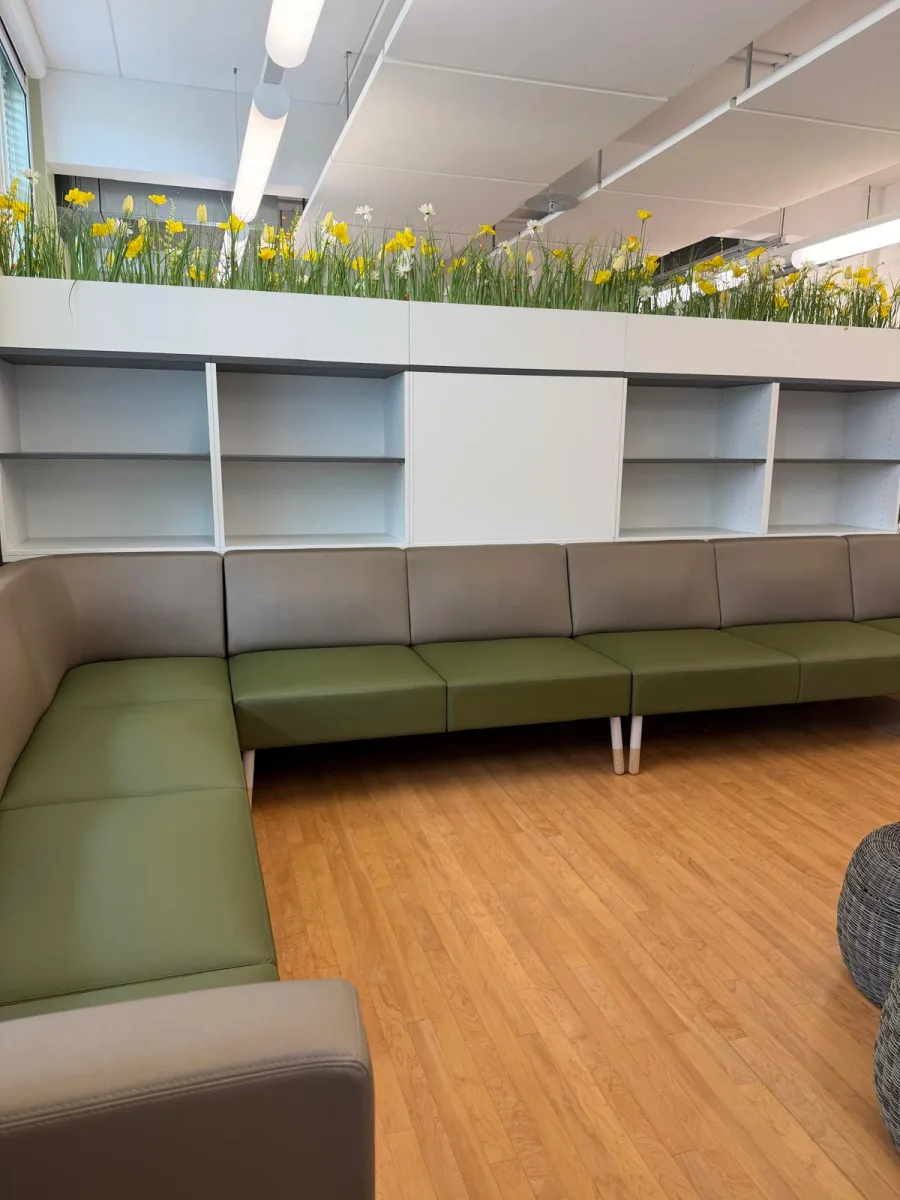
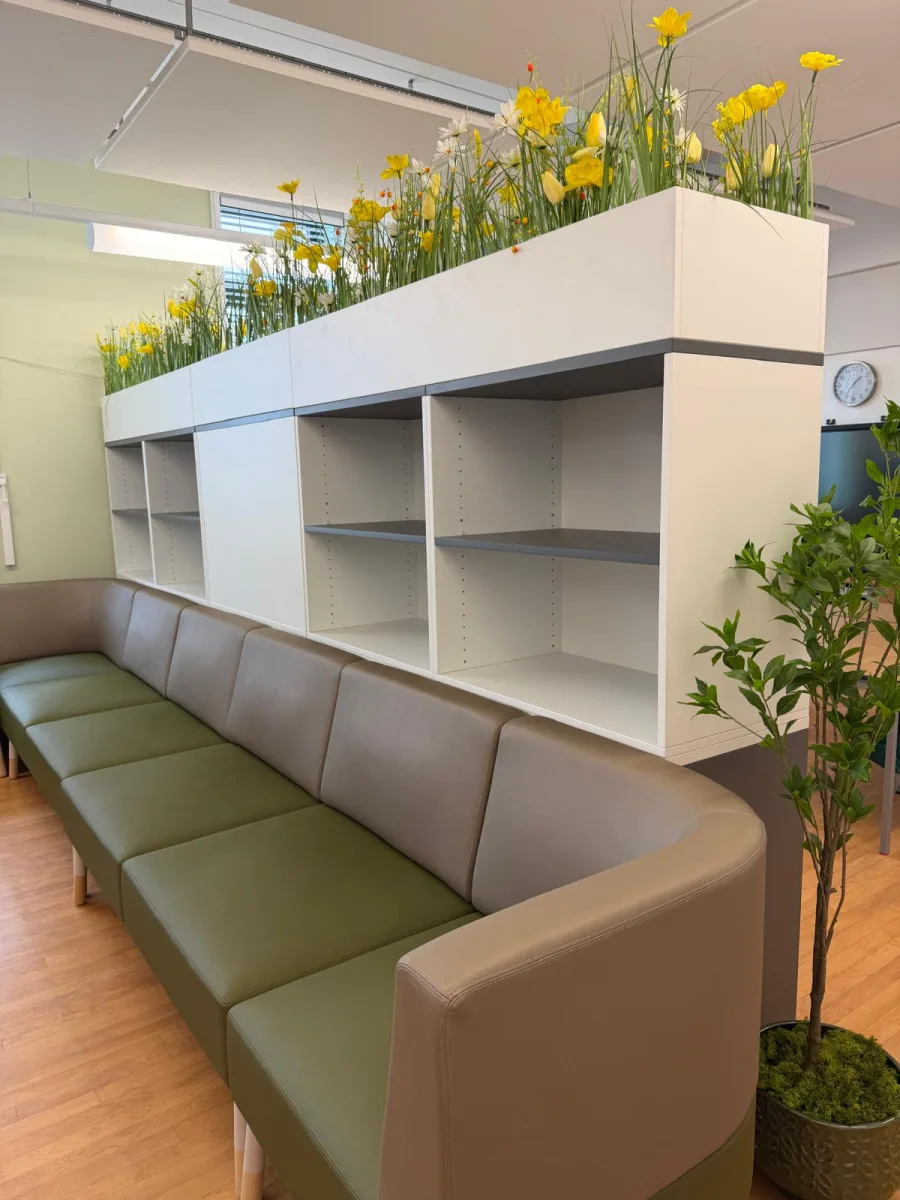
A low-arousal palette is not bland. It is restful and considered. Think soft greens, warm greys, pale blues, warm whites and muted earth tones. Avoid bright pinks, harsh yellows, high-contrast black and white, and anything with busy repeating patterns.
Apply this to walls, furniture, displays and flooring. Choose soft, solid colours over busy prints. Reduce clutter and visual noise. Display work on boards, but group them rather than covering every wall. Use subtle textures rather than patterns that arrest attention. The overall feeling should be calm, safe and restful.
Low-arousal design is not about taking the joy out of the classroom. It is about clearing away the sensory noise so autistic pupils can focus on what matters: learning and feeling safe.
Create clear, defined zones with visual boundaries
An open-plan classroom with no visual structure is confusing for many pupils, but especially those who are autistic. They struggle to filter what is relevant in a sea of activity and stimuli.
Define zones clearly. Use low screens, shelving, rugs or a change in flooring to mark boundaries between different areas. A focus zone for independent work should be visually contained, with minimal distractions in sight. A group work area is more open but still distinct. A calm corner is enclosed, quiet and softly lit.
Within each zone, organise materials logically with clear labels and symbols. Every item has a place. This clarity reduces decision-making demands and helps autistic pupils navigate the space independently and confidently.
Furniture that helps
Low dividers, carrels, modular shelving and rugs create visual boundaries without making spaces feel cramped or prison-like. Flexible, predictable classroom furniture gives autistic pupils the structure they need.
Seating that supports regulation and offers control
Many autistic pupils struggle with the sensory experience of touching others or being touched. Physical proximity can be deeply uncomfortable. Seating should offer defined personal space and the ability to work with some separation or privacy.
Carrels, individual desks facing away from the crowd, or seating in quieter corners allow pupils to manage their personal space and sensory load. Offer a mix of seat types. Some pupils prefer firm seats, others soft seating. Some need upright chairs, others prefer to recline or sit cross-legged. Choice and flexibility matter.
Seating should also help pupils regulate emotionally. Soft, enclosed seating (bean bags, cushions in a quiet corner) can be a place to go when overwhelmed. A well-chosen seat, one that feels good sensorily, can be soothing.
Furniture that helps
Individual workspace screens, varied seating options (firm chairs, soft seating, floor cushions), and enclosed or semi-enclosed seating arrangements protect personal space and sensory regulation. Design a nurture space or calm retreat where pupils can reset when needed.
Dedicated sensory and regulation spaces
A sensory room is a game-changer for autistic pupils. This is a dedicated, low-stimulation space where pupils can regulate using soft lighting, calming textures, gentle movement and quiet.
You do not need elaborate equipment. A small, quiet room with soft seating, dimmable lights, and perhaps some tactile materials (soft blankets, cushions, a stress ball) can be profound. Some schools add gentle music, a light projector or plants. The key is that it is consistent, available when pupils need it, and genuinely calming, not another place to send a "naughty" child.
Even without a dedicated sensory room, a calm corner in the classroom serving the same purpose can be invaluable. Some pupils will need to retreat there regularly. Having a space they can access without permission or shame is essential.
Quick tip
Talk to your autistic pupils and staff. Ask what sensory things help them regulate and what makes them overwhelmed. The answers might surprise you and will be far more useful than any generic advice. Involve them in designing their own calm space.
Lighting and acoustics matter deeply
Many autistic pupils are sensitive to fluorescent lighting. The flicker and harsh blue-white tone are tiring and overstimulating. Natural light or warm LED lighting is far better. If you must use fluorescent, choose high-frequency ballasts that flicker less, or supplement with a desk lamp that lets pupils control their own light.
Sound is equally important. Echo, background noise, and unexpected loud sounds are exhausting. Soft furnishings, rugs, curtains and acoustic panels absorb sound and create acoustic calm. Minimise the number of things happening at once. Teach pupils to use quiet voices and cues. Some may benefit from noise-reducing headphones or ear defenders during independent work.
Furniture that helps
Upholstered furniture, acoustic panels, soft rugs and textiles absorb sound. Warm LED lighting or control over desk lamps lets pupils manage their sensory environment. Explore acoustic and sensory design solutions
Involve autistic pupils and staff in the design
The people who spend every day in the space are the best experts on what works. Ask autistic pupils what sensory things help them and what overwhelms them. Ask staff what they wish existed. Use this insight to guide your design.
Some schools run pupil consultations where autistic learners help design their own classroom or sensory room. Others create a feedback system where pupils can request changes. This partnership approach is not only more effective, it sends a powerful message: your experience matters, and we are designing with you, not for you.
- Predictability in layout and routine is foundational. Autistic pupils feel safer when they know what to expect and where things are.
- Low-arousal design (muted colours, minimal visual clutter, soft textures) reduces sensory overwhelm and helps pupils focus on learning.
- Clear, defined zones with visual boundaries help autistic pupils navigate the space independently and feel less anxious.
- Personal space and choice in seating matter enormously. Offer varied options and respect sensory boundaries around touch and proximity.
- A dedicated calm or sensory space where pupils can retreat and regulate is invaluable, even if it is just a quiet corner with soft seating.
- Lighting and acoustics deeply affect autistic pupils. Warm light and sound-absorbing materials are far better than fluorescent and hard surfaces.