What "calm by design" really means
A truly calm classroom is not boring or sterile. It is intentional. Every element, from colour to furniture to lighting to sound, is chosen to support focus, wellbeing and emotional regulation. It is a space where pupils can breathe, think clearly and manage their emotions.
This matters for all children, not only those with additional needs. A stressed, overstimulated classroom drains even confident learners. Anxiety, hypervigilance and sensory overwhelm are invisible but real barriers to learning. Remove them, and watch engagement, behaviour and wellbeing improve across the board.
Calm by design is not soft parenting. It is creating the conditions where every pupil can do their best work and manage themselves well.
Colour and visual calm
Colour has a profound effect on mood and attention. Bold primary colours, high-contrast patterns, and cluttered visual spaces are energising and overstimulating. They keep the nervous system in a state of heightened alert. Soft, muted, warm and cool tones have the opposite effect. They are restful and help pupils settle.
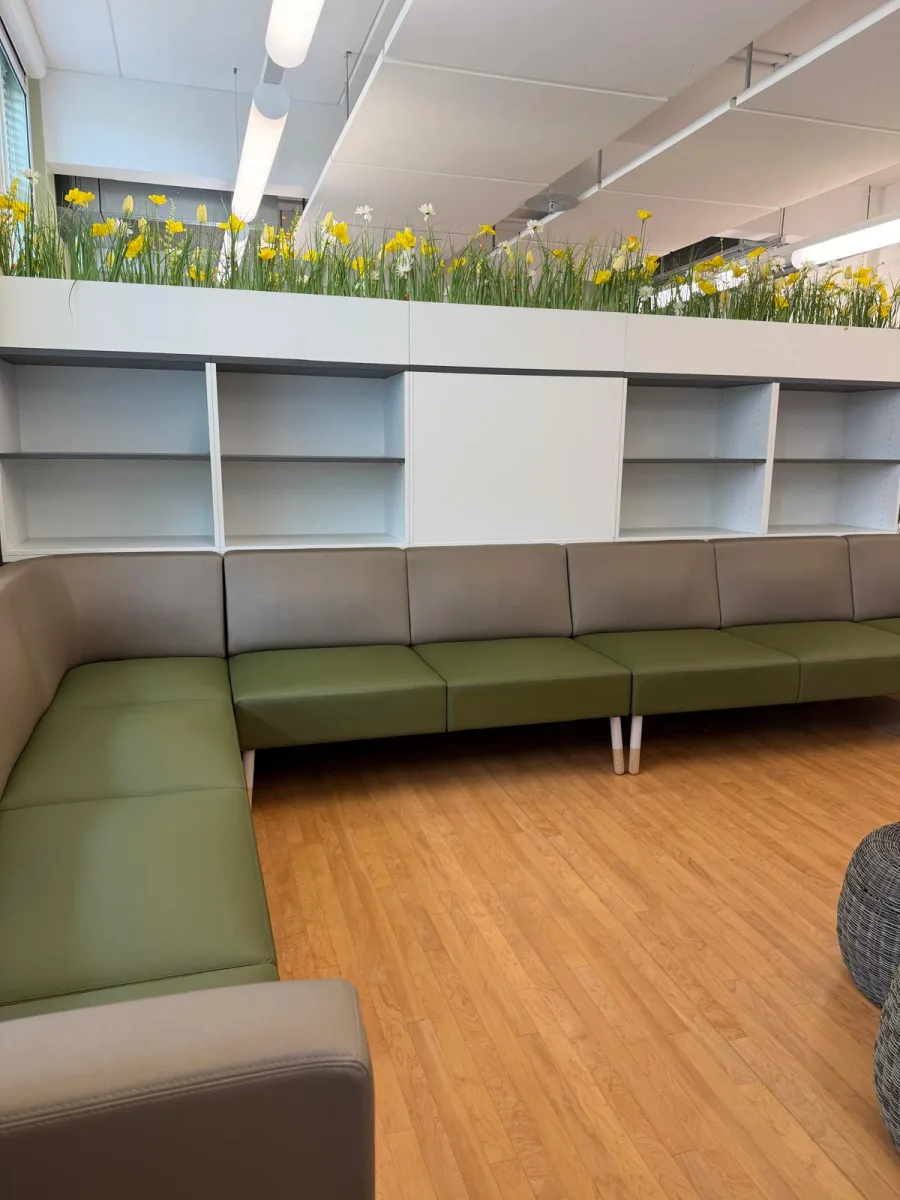
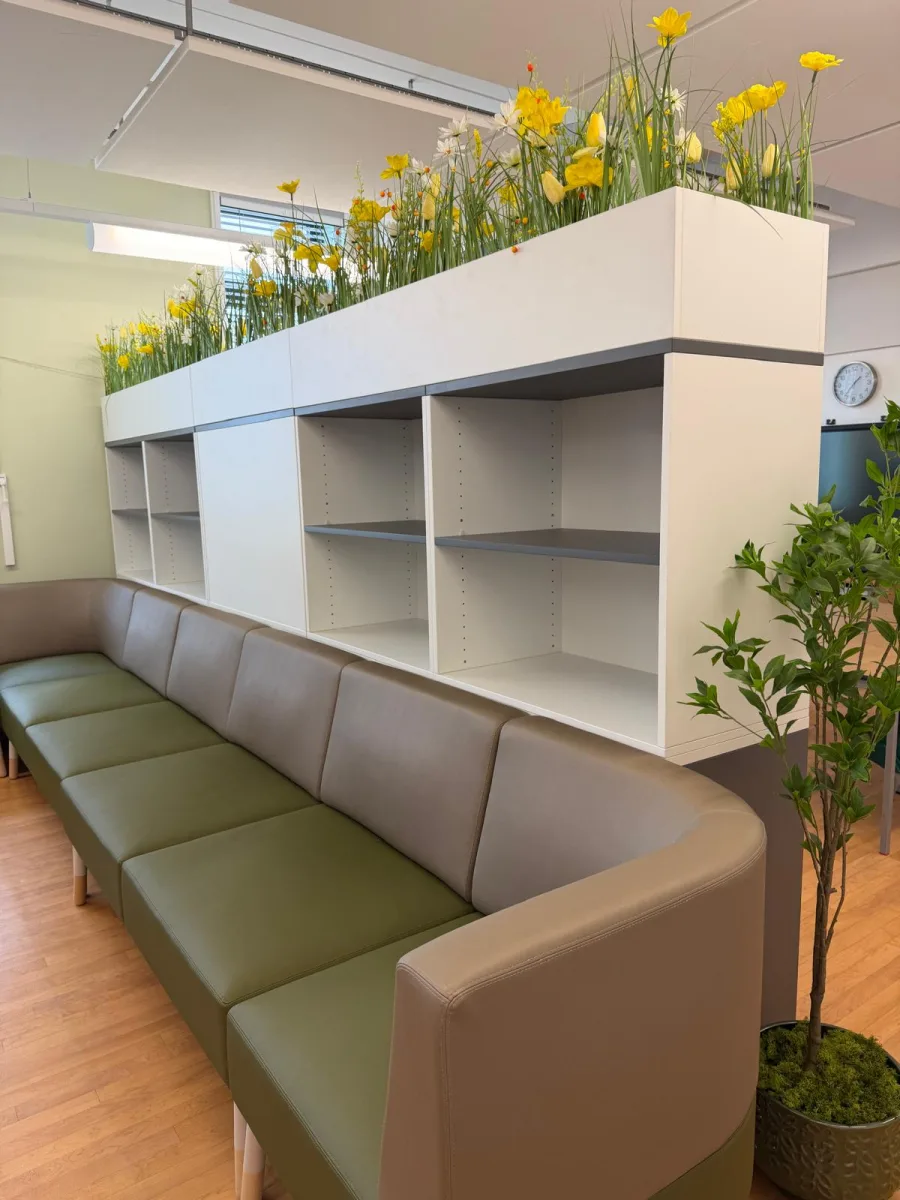
Think warm greys, soft greens, pale blues, warm whites, muted terracottas. These are not dull. They are sophisticated and calming. Use them for walls and as a base palette for large furniture. You can still have colour and visual interest, but filtered through a calm lens.
Keep displays curated and minimal. Each item should be intentional, not covering every wall. Group related work together rather than scattering it everywhere. Use neutral-coloured boards and frames so the pupils' work stands out rather than blending into the visual noise. The overall feeling should be orderly, peaceful and clear.
Comfortable, flexible seating and soft furnishings
Hard plastic chairs and cold floors are not conducive to calm. Soft, comfortable seating, rugs, cushions and upholstered furniture make a classroom feel warm and inviting. They also signal that this is a place where comfort and wellbeing matter.
Variety in seating gives pupils choice. Some learn best sitting upright. Others prefer to recline or sit cross-legged. Some need a firm seat, others soft seating. Offering different options, from firm chairs to bean bags to cushions on a rug, respects how different bodies and minds work best. A pupil who finds the right seat often finds focus they did not have before.
A classroom rug makes a real difference. It anchors a space, absorbs sound, provides a soft place to sit and psychologically signals "this is a different kind of area". A corner with soft seating becomes instantly more inviting and restful.
Furniture that helps
Upholstered seating, bean bags, floor cushions, rugs and varied workspace options create comfort and choice. Flexible classroom furniture supports every learning style and body.
Create a dedicated calm corner or retreat
Every classroom should have one. A quiet corner with soft seating, perhaps a cushion or bean bag, low lighting and a few calming resources. No bright colours, no visual chaos, no noise. Just a place where a pupil who feels overwhelmed, anxious or dysregulated can go to reset.
This is not a punishment corner. It is a sanctuary. Make it inviting. Add a small plant, a soft blanket, a puzzle or a stress ball. Let pupils choose to go there, and celebrate that choice. "I need a calm moment" becomes a skill, not a shame.
Some schools use a visual system so pupils can signal "I need calm" without having to ask. A quiet, predictable retreat is one of the most powerful tools for supporting regulation and wellbeing across the whole class.
Furniture that helps
A defined calm corner with soft seating, low shelving to create a sense of enclosure, and subdued lighting gives every pupil a place to regulate. Design a nurture space or sensory retreat that pupils actually want to use.
Bring in nature and biophilic elements
There is strong evidence that connection to nature reduces stress, improves focus and supports wellbeing. You do not need a garden. Small biophilic touches in the classroom work too.
Add plants. Real plants have a calming effect and improve air quality. If you do not have a green thumb, hardy plants like pothos, spider plant or peace lily are nearly impossible to kill. Position them where pupils can see them without sharp or dangerous edges.
Bring in natural materials. A wooden shelf instead of plastic, woven baskets for storage, natural-coloured rugs. Stone, wood, cork and natural fabrics all have a warmth that synthetic materials lack. These small touches create a sense of calm and connection.
Let in as much natural light as possible. If your classroom is dark, supplement with warm white LED bulbs rather than harsh fluorescent. Natural light, even on grey days, is far better for mood and circadian rhythm than artificial light alone.
For a deeper exploration of how nature supports wellbeing, see our guide to biophilic design and wellbeing.
Quick tip
Place a pothos plant on a high shelf or trailing from a wall-mounted planter where it cannot be damaged. Hardy, attractive and nearly impossible to kill. It will improve your classroom air quality and contribute to the feeling of calm.
Sound and acoustic calm
Noise is stress. A classroom full of hard surfaces, echo and constant background noise keeps the nervous system on alert. Soft furnishings, carpets and acoustic panels absorb sound and create acoustic calm.
Design with quiet in mind. Use rugs, curtains, upholstered seating and ceiling tiles that absorb sound. Create a culture where quiet voices are the norm. Use visual signals (timers, hand signals) rather than calling out. Take movement breaks outdoors where possible so the classroom can have genuine quiet time.
If your classroom is very noisy despite these efforts, consider noise-reducing headphones or ear defenders for pupils who are struggling. Many children who seem "distracted" are actually overwhelmed by sound.
Furniture that helps
Upholstered furniture, acoustic panels, curtains, rugs and soft materials absorb sound and reduce echo. Explore acoustic solutions for a genuinely calm classroom
Calm for staff too
You cannot pour from an empty cup. A busy, noisy, stressful staffroom means teachers bring that stress into the classroom. A calm staffroom where staff can genuinely rest at break time is essential for sustainable wellbeing.
Apply the same principles to the staffroom: comfortable seating, soft colours, plants, natural light, minimal visual clutter, quiet space to sit. A staffroom that feels like a sanctuary, not just a place to eat quickly before the next lesson, makes a real difference to staff wellbeing and resilience.
Learn more in our guide to staffroom design.
Putting it all together
You do not need to redesign overnight. Start small. Add a rug to your reading corner. Paint one wall a soft, warm colour. Swap out bright posters for curated, calming displays. Add a plant. Rearrange furniture to create a quiet corner. Each small change contributes to an overall sense of calm and order.
Notice the ripple effect. As the space becomes calmer, behaviour often improves, focus deepens and pupils seem happier. They are not trying harder. They are just experiencing less stress and overwhelm. That is the power of calm by design.
- Calm classrooms help every learner regulate better, focus deeper and manage emotions more effectively.
- Soft, muted colour palettes (warm greys, soft greens, pale blues) are far more calming than bright primary colours or high-contrast patterns.
- Comfortable, varied seating and soft furnishings signal that wellbeing matters and give pupils choice in how they learn best.
- A dedicated calm corner with soft seating and low stimulation is one of the most powerful regulation tools you can offer.
- Natural light, plants and natural materials create connection and reduce stress. Even small biophilic touches have an effect.
- Sound matters. Soft furnishings, rugs and acoustic awareness create genuinely calm spaces where pupils can think clearly.