
 Website by BrightLoop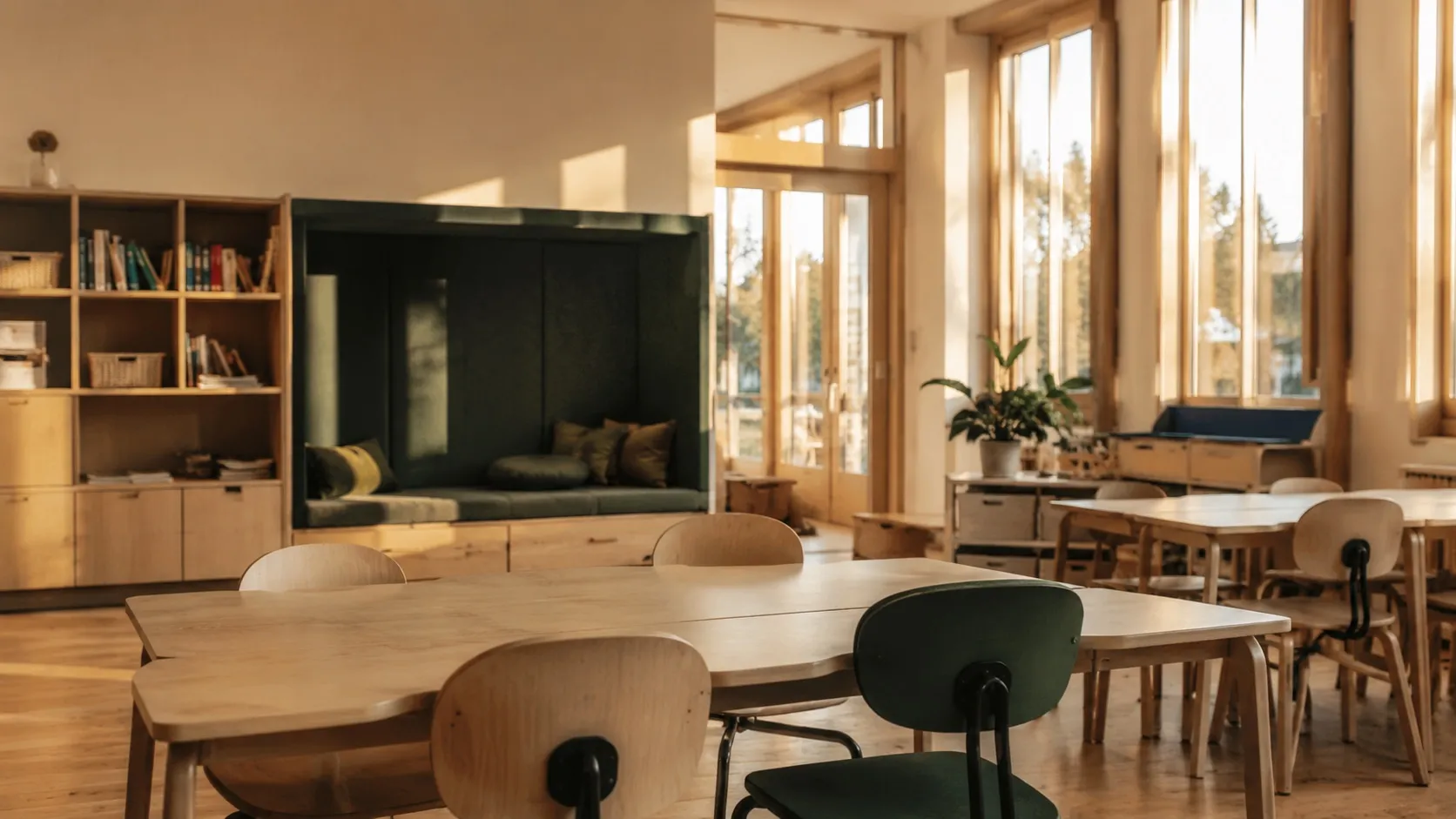
A century of craft,engineered for theway pupils learn.
Carousel Tables, Gripz Flex EN1729 chairs and Bloxi EN71-3 seating. Supplied, delivered and installed across the North West from our Wallasey showroom.
100+ Years of Educational Furniture Excellence
EromesMarko is one of Europe's most respected educational furniture manufacturers, with roots stretching back to 1908 in Wijchen, the Netherlands. Born from the merger of Eromes and Marko in 2014, they combine over a century of craftsmanship with forward-thinking design to create learning environments where every student can thrive.
Every product in their range is designed, engineered, and manufactured entirely in-house across three Dutch factories. From metalworking and powder coating to upholstery and final assembly, nothing is outsourced. The result is furniture built to last, designed for learning, and rooted in sustainability.
As the exclusive authorised dealer for the North West of England, Werk Solutions gives you direct access to the complete EromesMarko range, backed by our local consultation, space planning, and professional installation service.
Six pieces. One partnership.
A guided look at the EromesMarko ranges we supply, install and support across the North West.
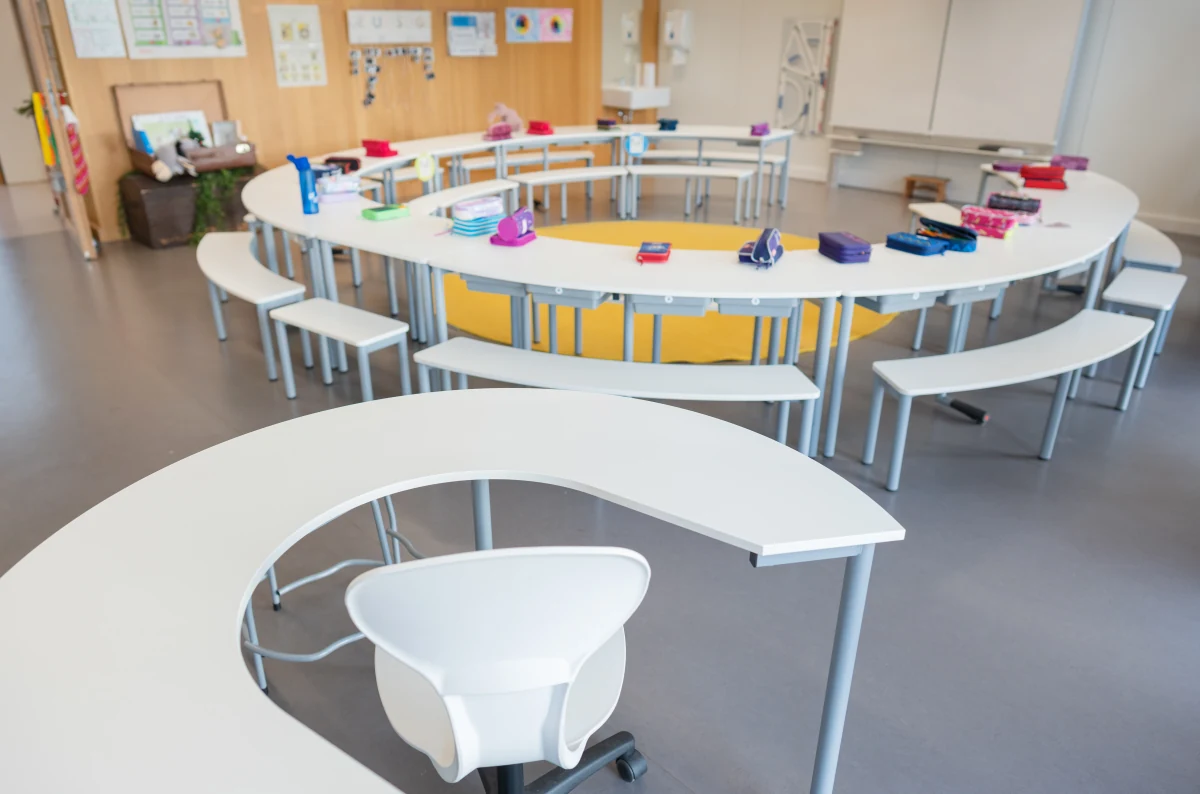
One table. Every layout.
Eight modular segments clip into circles, half-moons, amphitheatres or long waves. A new room in minutes, no tools.
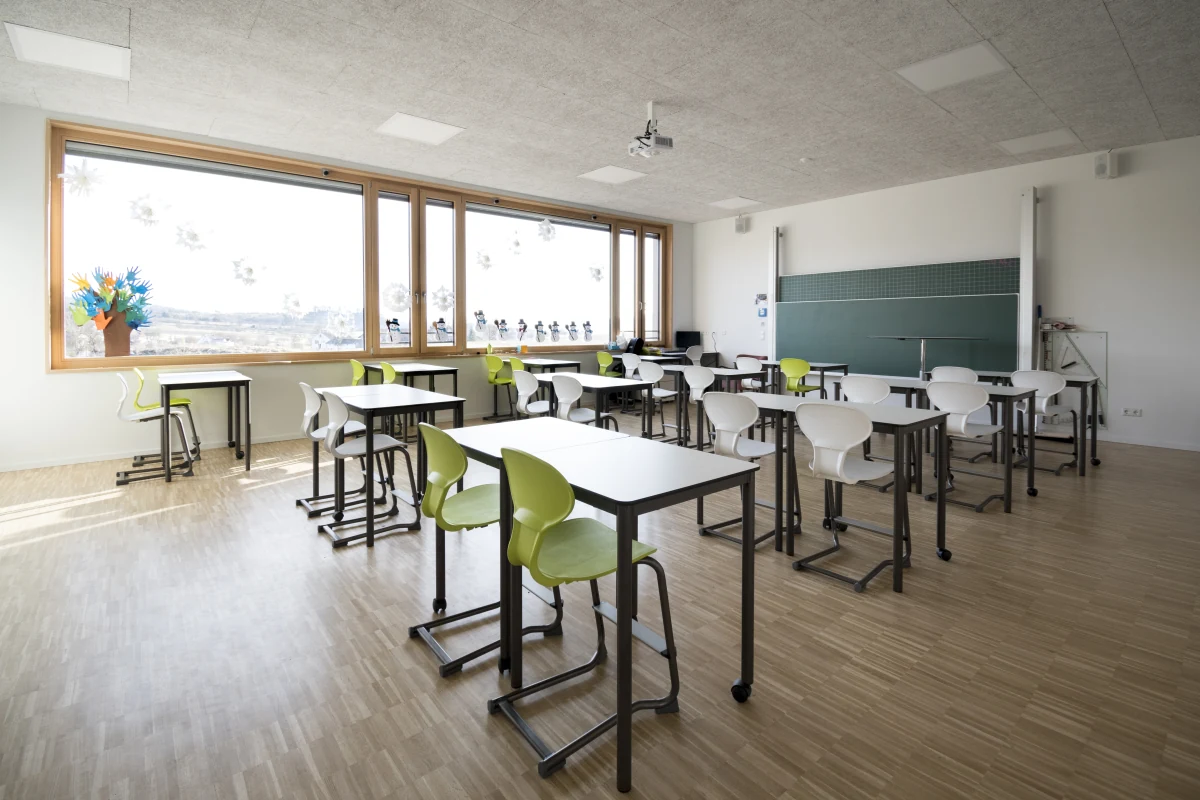
Sit still by moving.
A sprung cantilever C-leg gives subtle active-sit flex. EN1729 certified, sizes 4 and 6, stacks six high.
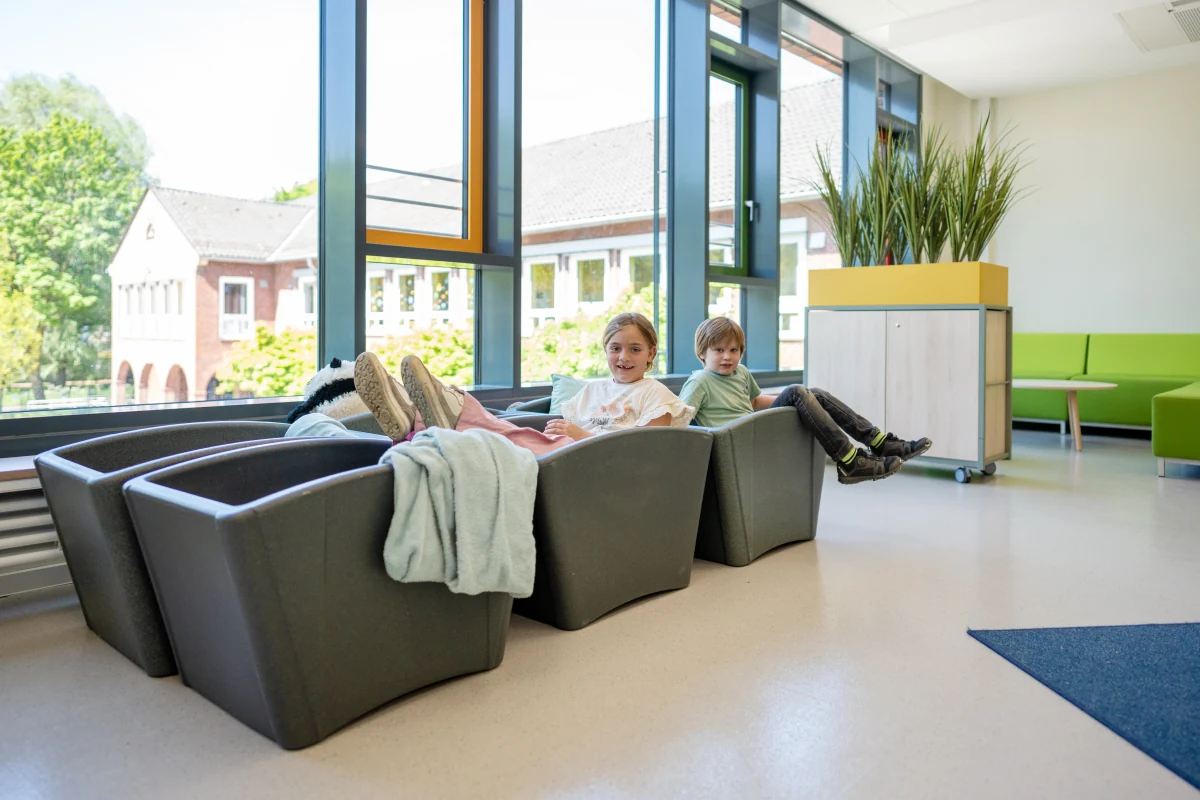
Twelve blocks, one circle.
100% recycled polypropylene, EN71-3 safe. Pupils reshape the space themselves in seconds, cushions stored inside.
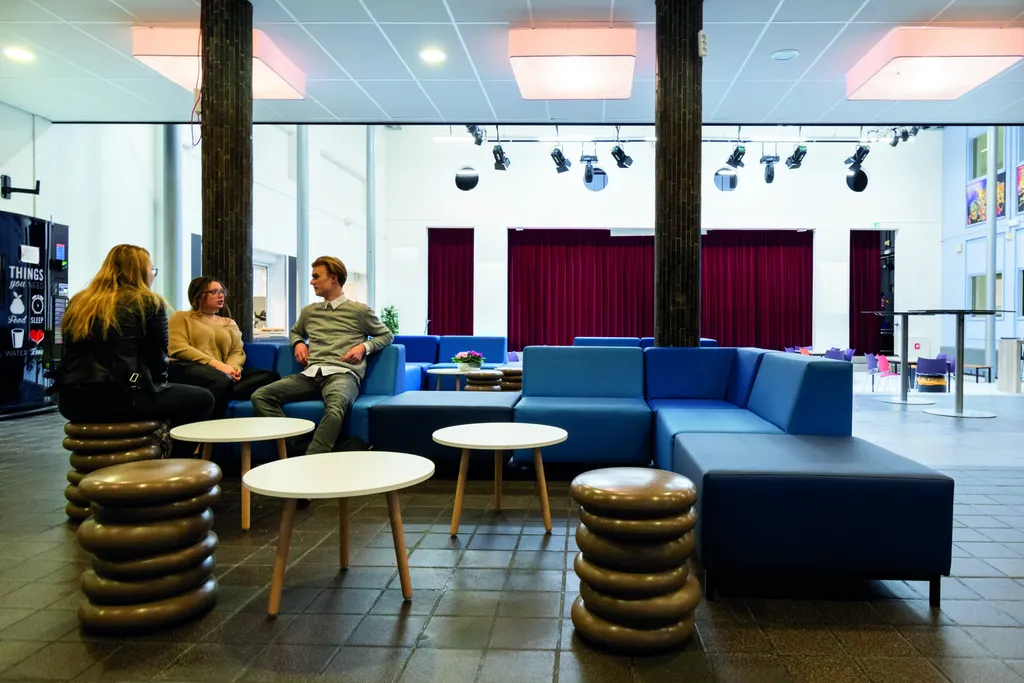
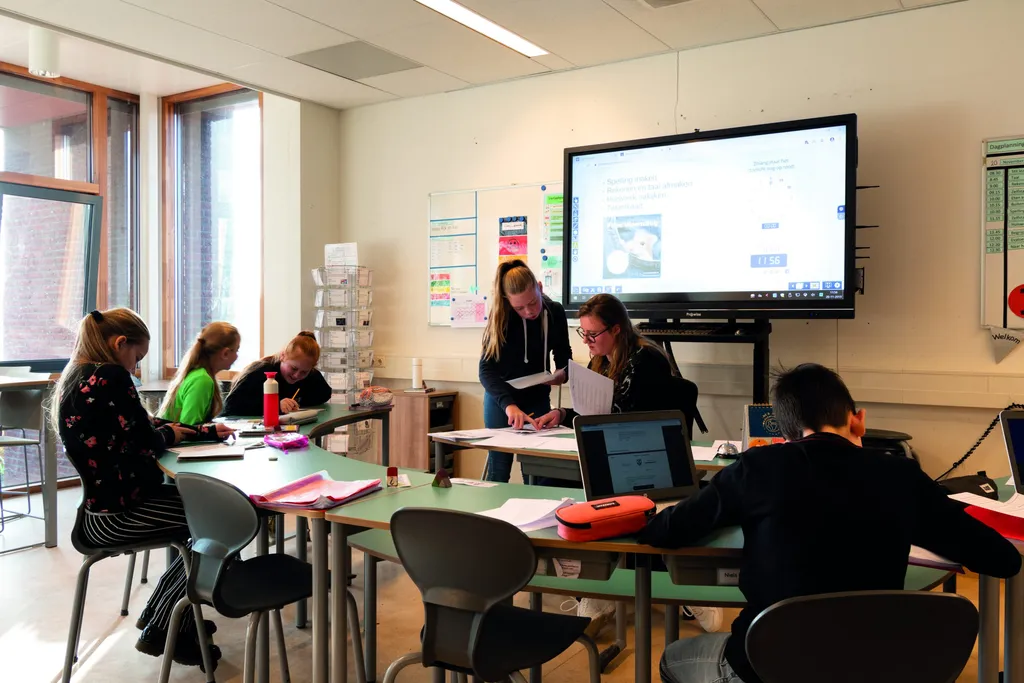
De Evenaar, Netherlands.
Not a render. A working school furnished end to end, the same ranges we install across the North West.
See the projects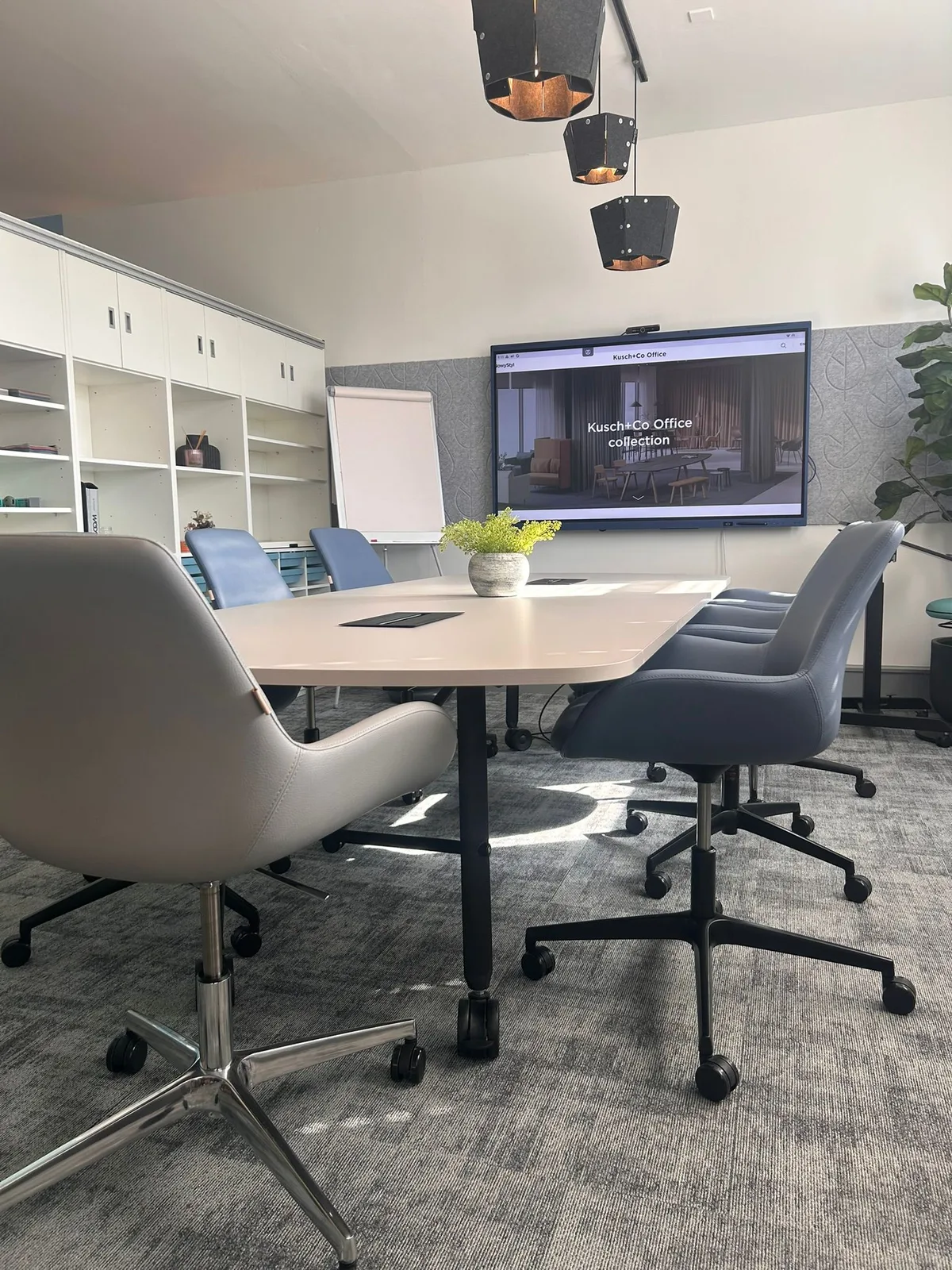
Try it in Wallasey.
Sit in the Gripz. Reconfigure a Carousel. See the finishes in person before you specify a single piece.
Book a showroom visitThe full range, designed to stay.
Tables, seating, storage, lecture and lounge. Circular by design, made in Holland, installed and supported locally.
See it from every angle
Spin, zoom and inspect our flagship EromesMarko pieces in three dimensions. On a phone, tap View in your room to place them to scale with AR.
Carousel Table. 8-segment modular system, EN1729 compliant.
Read more about Carousel TableA century of learning, built in.
Scroll to travel through time
The beginning
Founded in Wijchen. Headmaster Gomarius Mes and his sons built a small school-furniture factory beside the railway. Quality and education were in the DNA from day one.
Post-war ambition
Marko begins. The Van der Mark and Kooistra brothers turned a dairy factory into Marko, moving from bicycle pedals into tubular steel and school furniture, building a reputation for durability.
A new identity
Eromes emerges. Mes en Zn. merged with Ero Architects in Heelsum to create Eromes, a dedicated educational-furniture brand with a design philosophy rooted in the classroom.
Stronger together
Two become one. Eromes and Marko merged to form EromesMarko: young, innovative, with more than 100 years of combined heritage and one shared mission.
Sustainability first
The factory of the future. The Wijchen plant was renovated into one of the most sustainable production sites in the Netherlands: circular design, renewable energy, zero-waste manufacturing.
100+ and counting
Three Dutch factories, 100+ skilled employees, everything made in Holland. Werk Solutions brings that century-plus of craft to schools across the North West.
More than a century of craft, brought to classrooms across the North West.Werk Solutions, authorised EromesMarko dealer
Built Different. Built to Last.
Six reasons schools across Europe trust EromesMarko to furnish their learning environments.
100+ Years Heritage
Founded in 1908, EromesMarko brings over a century of educational furniture expertise to every product they make.
Made in Holland
All products manufactured in-house across three Dutch factories. No outsourcing, no compromises on quality or delivery.
Circular by Design
Modular, recyclable furniture built from bio-based and recycled materials. Sustainability is not a trend for them, it is a foundation.
Full Education Spectrum
Purpose-built solutions for primary, secondary, vocational, and higher education plus libraries. Every learning stage, covered.
Design Partnership
More than a furniture supplier. EromesMarko works as a collaborative design partner, creating bespoke solutions for each space.
Certified Quality
Fully tested and compliant, with complete technical documentation, colour charts, and certificates available for every product.
UK School Compliance at a Glance
Every EromesMarko range supplied by Werk Solutions ships with the documentation UK schools, academies and local authorities ask for at procurement.
Carousel Table
Modular 8-segment carousel system. Segments combine into circles, half-moons, amphitheatres or waves. Bio-based and recycled materials throughout.
Gripz Flex (EN1729)
Cantilever school chair certified to EN1729 (parts 1 & 2) for school furniture safety and ergonomics. Available in sizes 4 & 6, stacks 6 high for storage.
Bloxi (EN71-3)
Modular soft seating with Siza cushions in 100% recycled polypropylene. EN71-3 certified for safety of toys, migration of certain elements, making it suitable for nurseries, primary and SEN settings.
Full technical datasheets, fire compliance documentation and colour charts are available on request from our Wallasey showroom. For BB93 reverberation compliance in classrooms specifying these ranges, see our acoustic solutions service.
Browse the range
Carousel Table
Modular carousel system that reconfigures a space in minutes.
View productGripz Flex
Cantilever school chair with active-sit flex, stacks six high.
View productBloxi
100% recycled modular soft seating that pupils reshape themselves.
View product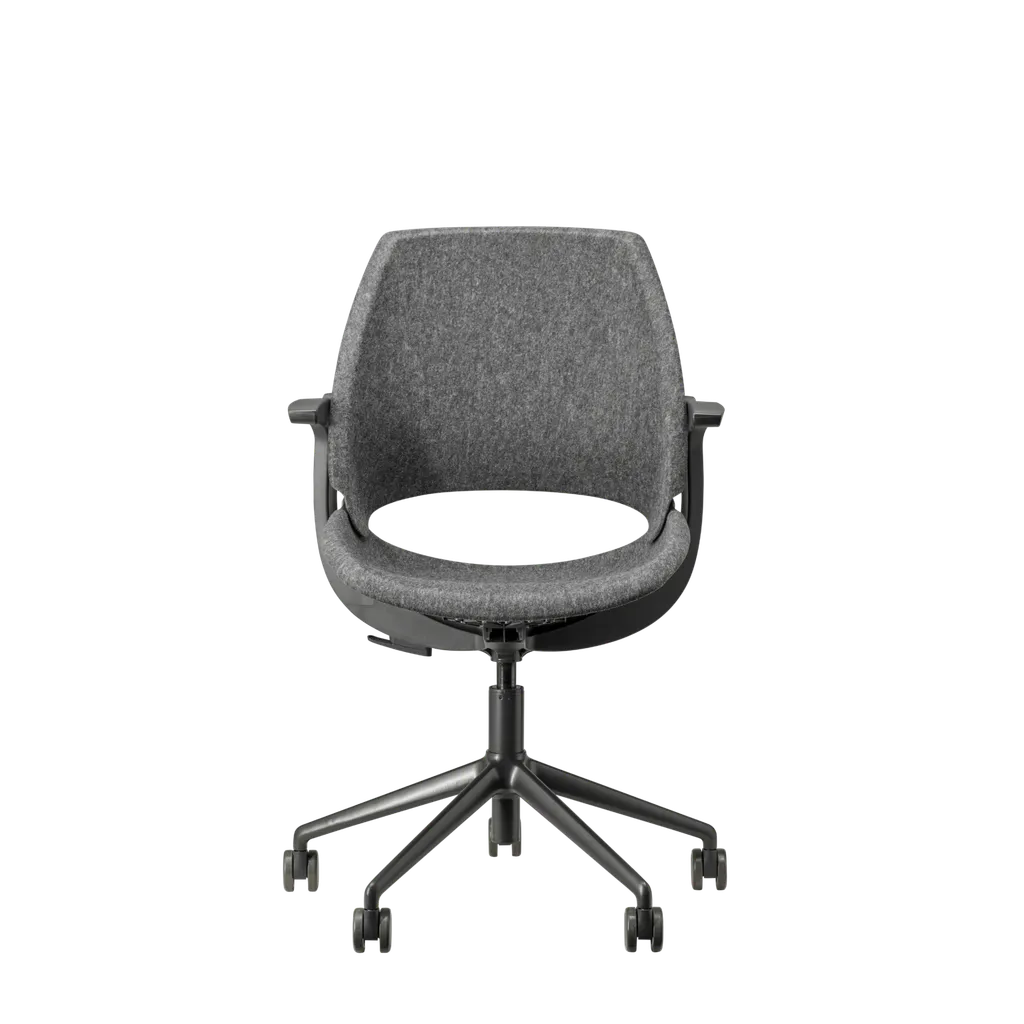
Be Hybrid
Reconfigurable modular system for adaptive learning spaces.
Enquire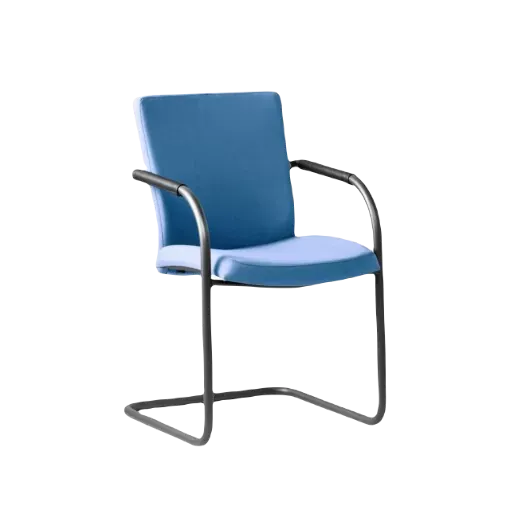
Esprit
Contract seating for classrooms, halls and breakout areas.
Enquire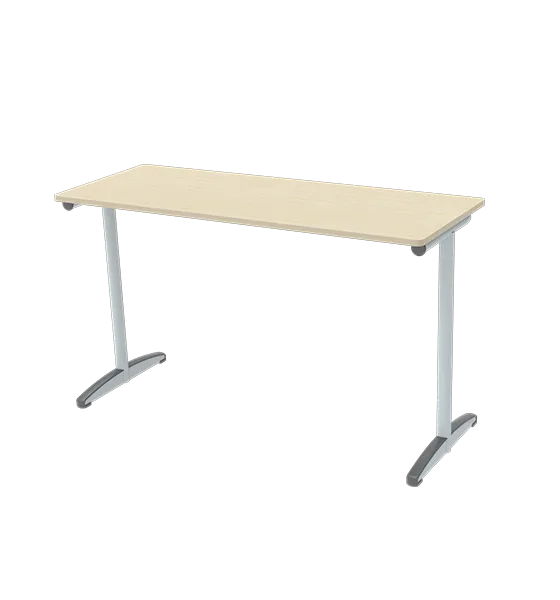
Lesca
Bench and tiered seating for lecture theatres and auditoria.
Enquire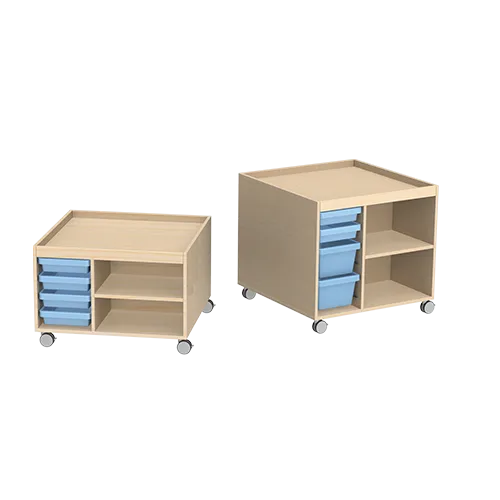
Thema Kast
Flexible storage and cabinetry built for busy classrooms.
Enquire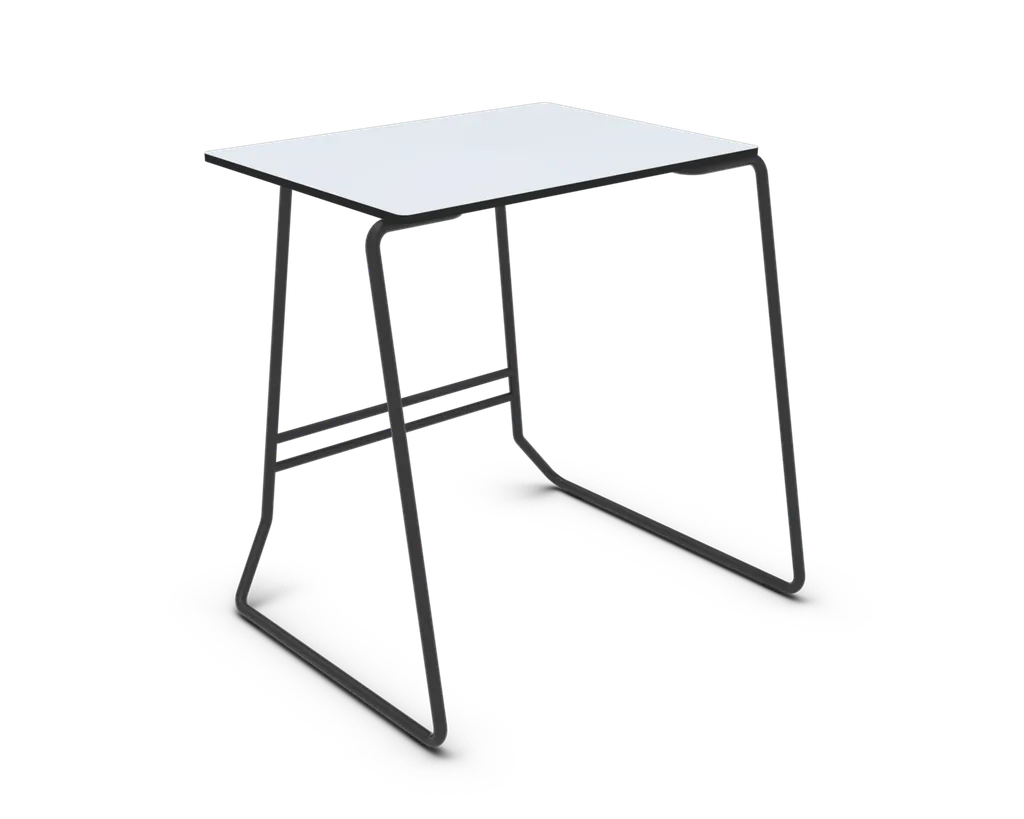
Alma
Soft seating for library, reception and breakout zones.
EnquireCircular Furniture for a Sustainable Future
EromesMarko's four-pillar circular approach aligns with the sustainability goals of schools across the UK. Every product is designed with its full lifecycle in mind.
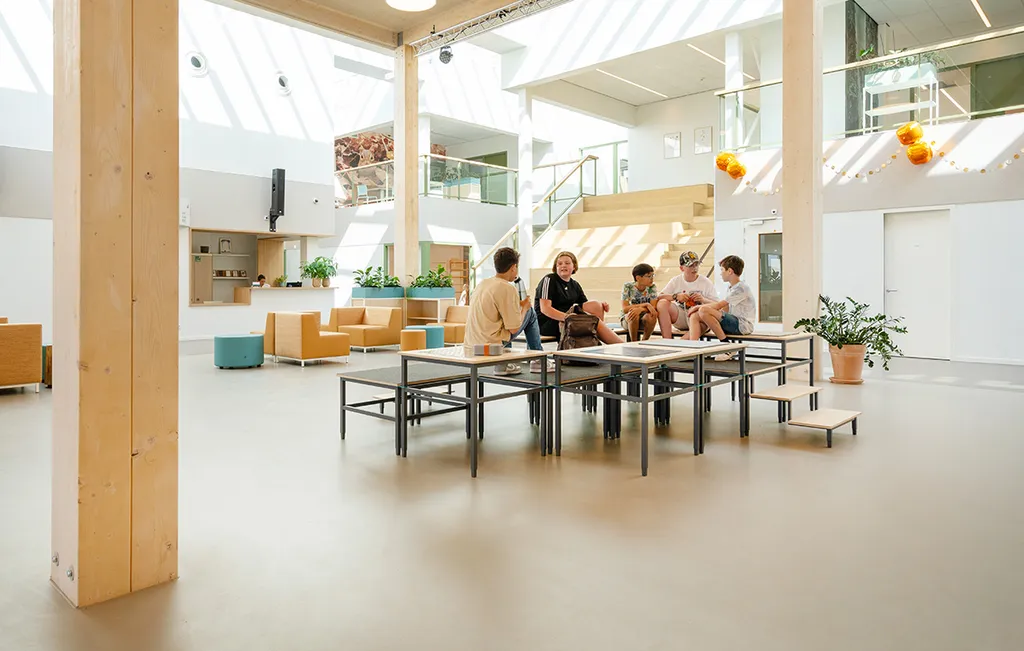
Start with what you have
EromesMarko assesses existing furniture and creates smart solutions that minimise new purchasing through relocation and reconfiguration.
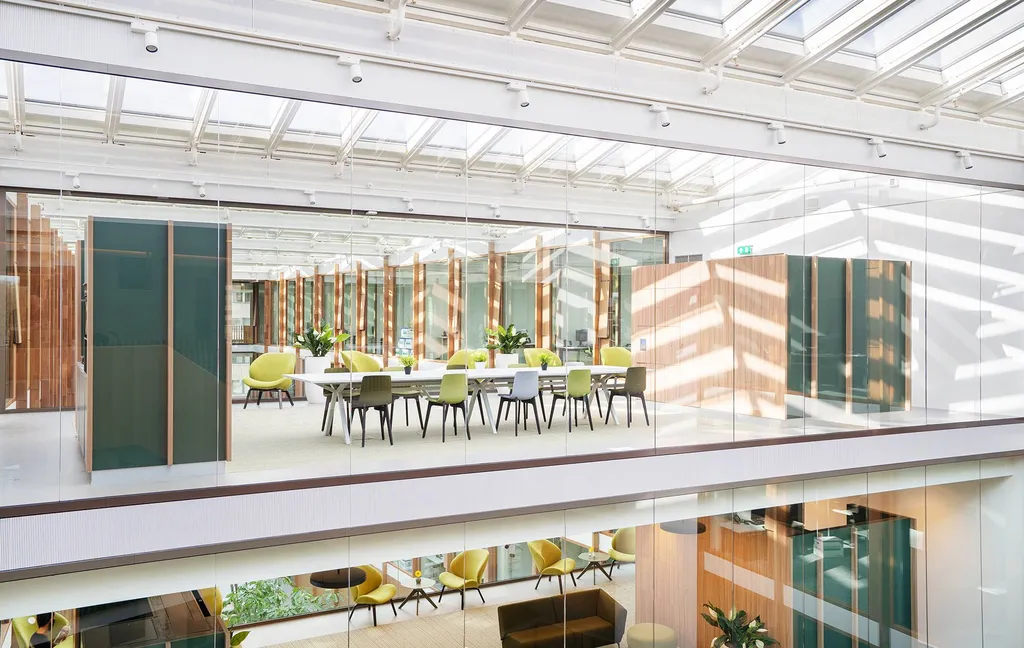
Repair, refurbish, restore
Extend the technical lifespan through refurbishment, maintenance programmes, and component replacement. Postpone new purchases and reduce waste.
A double life for every piece
Furniture that has served one setting is professionally remanufactured and redeployed through the Fair Furnished programme. Nothing goes to landfill unnecessarily.
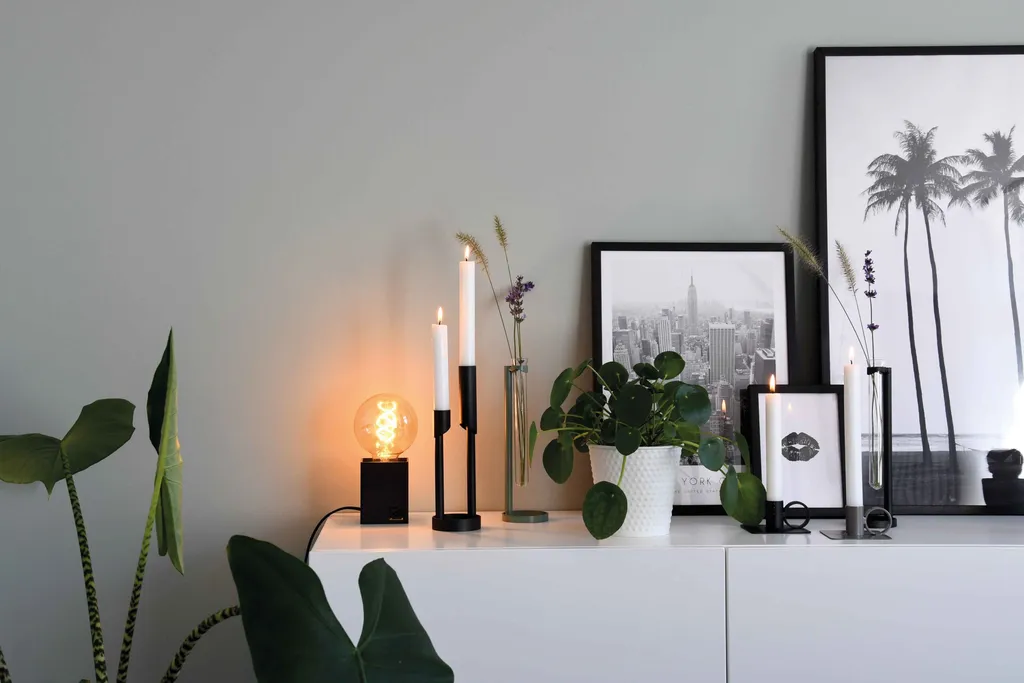
Designed circular from the first sketch
When new furniture is needed it is modular, durable, built from recycled and bio-based materials, and designed to be 100% recyclable at end of life.
EromesMarko Furniture in Real Learning Spaces
From primary schools to university lecture halls, see how EromesMarko furniture transforms educational environments across Europe.
Primary Classroom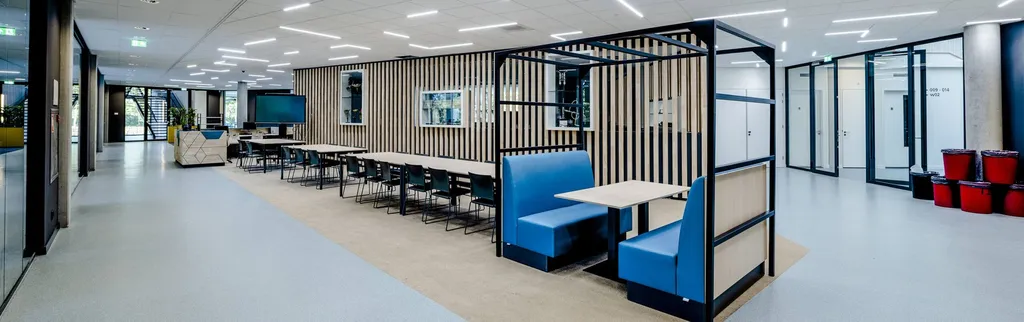 Secondary EducationHigher EducationCollaborative SpaceSustainable Design
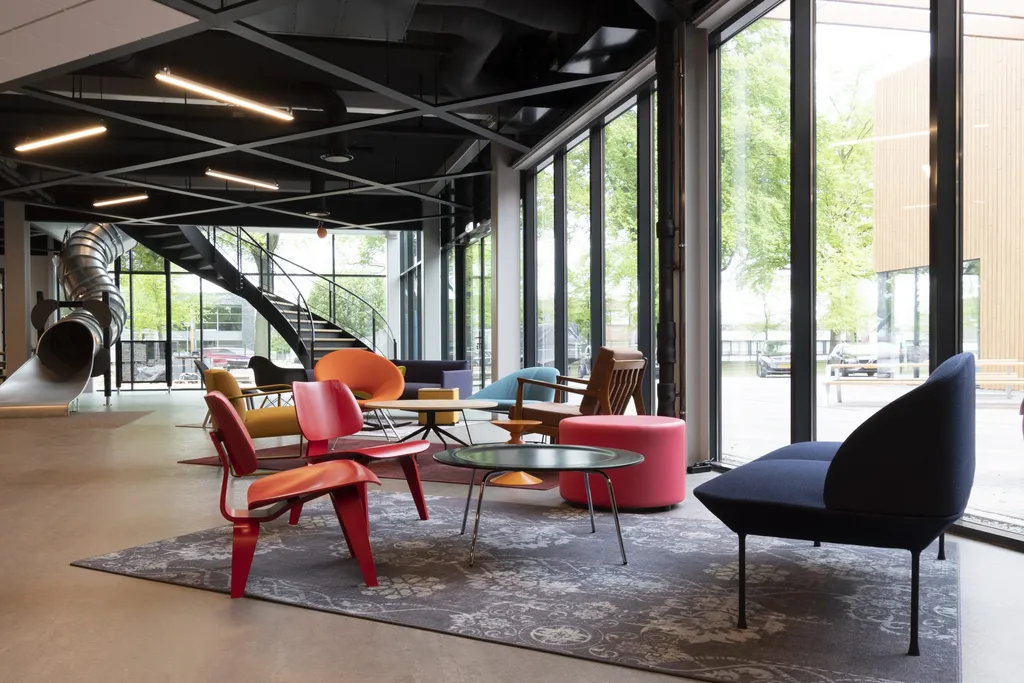 Library Setting
Bring EromesMarko to Your School
As the exclusive authorised dealer for the North West, we handle everything from product selection and space planning to delivery and professional installation. Get in touch to explore the full range.